Morning Foundation
5–10 minutes of gentle movement before work sets a positive tone for the day and activates your body.
Learn simple practices that integrate naturally into morning routines, work hours, and evening wind-downs. Evidence-informed, pressure-free guidance.
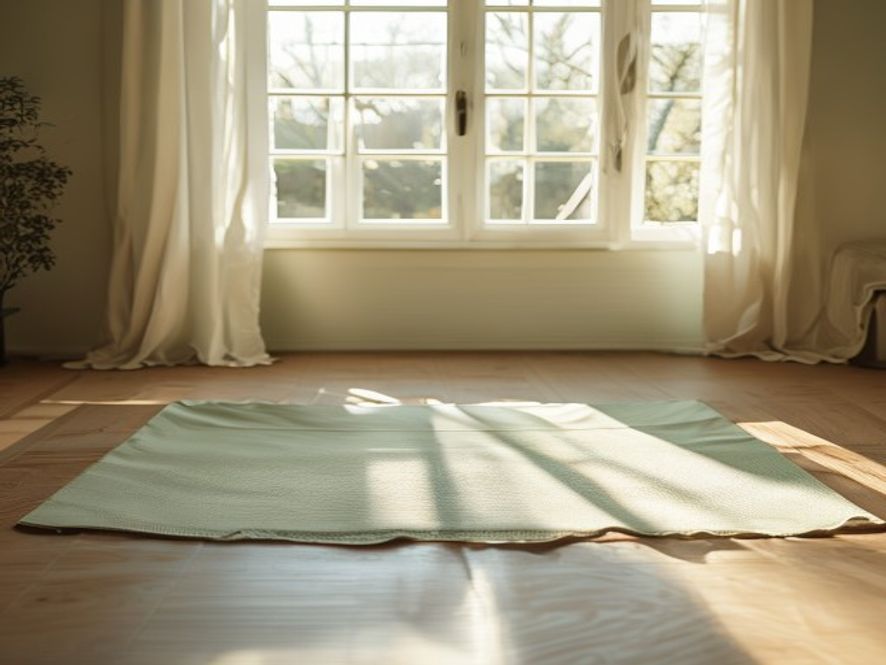
Rather than one rigid routine, we think about three natural windows where movement feels easy and achievable.
5–10 minutes of gentle movement before work sets a positive tone for the day and activates your body.
Micro-movements throughout your day (at transitions, breaks, meetings) prevent stiffness and sustain focus.
5–10 minutes of gentle stretching or movement signals to your body that work is done and rest is coming.
A morning routine doesn't need to be long — even 5 minutes of gentle movement helps wake up your body and prepare mentally for the day.
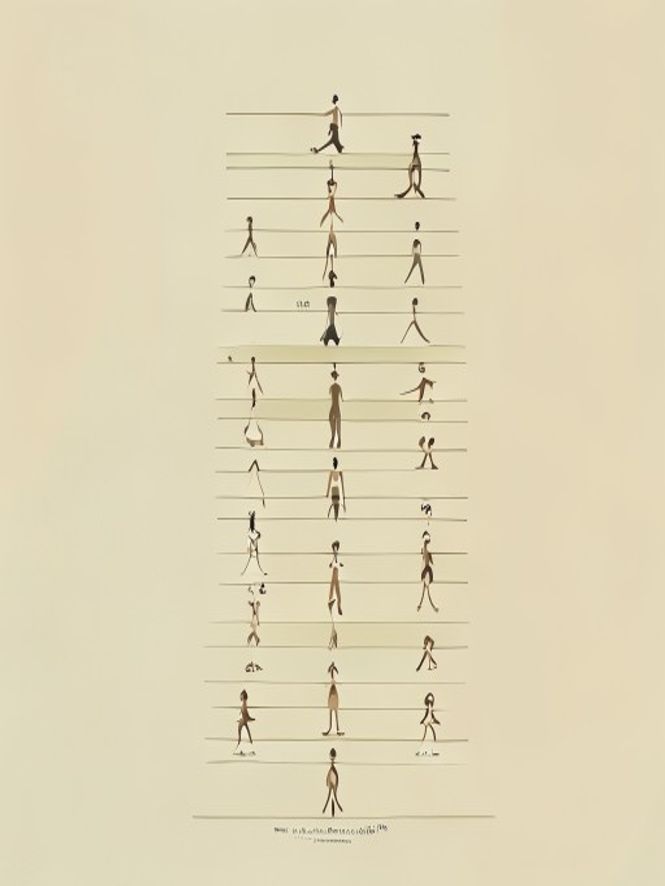
For phone or video calls, stand instead of sit. Walk around if it's audio-only. This alone adds 30–60 minutes of upright time per week.
Set a timer for every 60 minutes of focused work. Stand, stretch, or walk to the kitchen. Even 2 minutes breaks the sitting cycle.
Between meetings or tasks, stand and move deliberately. This trains your body to see transitions as movement cues, not just mental shifts.
Suggest walking meetings with colleagues. This normalises movement, aids conversation, and adds 15–30 minutes of light activity per week.
| Stretch Name | How to Do It | Duration | Best Time |
|---|---|---|---|
| Neck Tilt | Slowly tilt your head left, hold. Return to centre. Repeat right. No forcing. | 20 sec each side | After long focus sessions |
| Shoulder Roll | Roll shoulders backward 8 times, then forward 8 times. Breathe throughout. | 30–45 sec | Hourly check-in |
| Wrist Circles | Extend arm, make slow circles with wrist. 6–8 circles each direction, both wrists. | 30 sec | After keyboard work |
| Seated Spinal Twist | Sit upright, gently twist torso left, use opposite hand on knee for gentle leverage. Breathe. | 20 sec each side | After a period of sitting |
| Ankle Flex & Point | Flex toes toward shins, then point away. 10 reps. Encourages calf activation while seated. | 20–30 sec | Throughout the day |
A 5–10 minute sequence to help transition from work to rest. Do this ideally 30 minutes before bed.
Stand or sit, gently fold forward. No forcing. Hold 30–45 seconds.
Lie on back, gently drop knees to one side. Hold 30 seconds each side.
Knees wide, sink hips back, forehead to ground. Breathe. Hold 1–2 minutes.
Seated or lying. Inhale 4 counts, exhale 6 counts. 2 minutes.
Don't try all three time windows at once. Pick ONE practice (e.g., morning stretching) and do it for 2 weeks until it feels automatic.
Link movement to something you already do: after coffee, after brushing teeth, after lunch. Use existing cues, don't create new schedules.
A simple tick on a calendar or in a notes app helps reinforce the pattern. Celebrate weeks, not perfection. One missed day won't undo progress.
Share your goal with a friend or colleague. Even casual accountability (texting when you've done it) makes the habit stickier.
Our guidance draws from well-established principles in movement science, ergonomics, and habit psychology:
This is educational content only. Consult healthcare professionals for medical or therapeutic advice.
Download our free guides or book a personal consultation to design a routine tailored to your day.
Get Started